
Introduction to Choosing the Right Toothbrush for Your Smile
Choosing the right toothbrush is more than a matter of preference—it’s a crucial decision that can significantly influence your oral health for years to come. With countless options lining the shelves, from sleek electric models to time-tested manual brushes, it’s easy to feel overwhelmed by the choices. Yet, the foundation of a healthy, radiant smile begins with this simple tool, making it essential to select one that fits your unique dental needs and lifestyle.
Our smiles define us, shaping first impressions and reflecting our overall wellbeing. Maintaining that smile starts with effective daily care, and at the heart of this routine lies your toothbrush. The debate between electric and manual toothbrushes isn’t just about technology or tradition—it’s about efficacy, convenience, comfort, and ultimately, your dental health. Each option offers distinct advantages, with various features designed to target specific concerns such as plaque removal, gum sensitivity, or ease of use.
Understanding how different toothbrushes impact your oral hygiene empowers you to make informed choices tailored to your needs. Whether you are seeking gentle care for sensitive gums or maximum cleaning power for a brighter smile, evaluating the pros and cons of electric versus manual toothbrushes is the first step. As we explore the key differences, benefits, and considerations, you’ll be better equipped to protect your smile with confidence and clarity.
Understanding the Differences Between Electric and Manual Toothbrushes
Choosing between an electric and a manual toothbrush is more than just a matter of personal preference—it’s a decision that can directly impact your oral health. While both options are designed with the same fundamental goal in mind—to remove plaque and prevent cavities—their mechanisms, features, and user experiences differ significantly, shaping their effectiveness in protecting your smile.
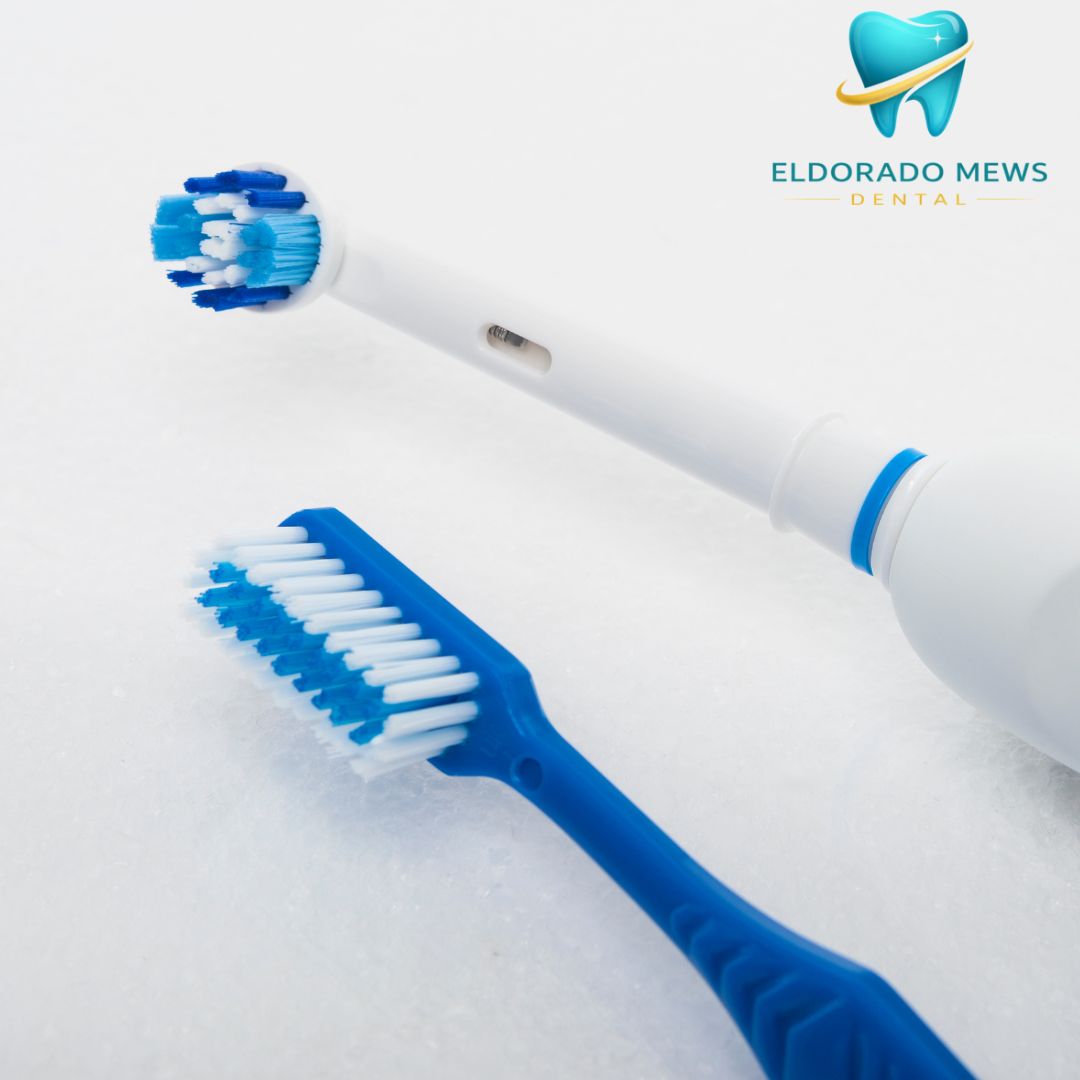
Manual toothbrushes are the traditional choice, featuring a straightforward design with a handle and bristled head. They rely entirely on the user’s brushing technique, pressure, and timing. This simplicity makes them widely accessible and affordable, and they come in various shapes, sizes, and bristle types to cater to individual needs. However, effective cleaning with a manual toothbrush requires diligence and proper brushing technique, which many people may overlook or rush through.
Electric toothbrushes, on the other hand, incorporate battery-powered or rechargeable motors that move the brush head rapidly in oscillating, rotating, or sonic motions. These automated movements help break up plaque more efficiently, particularly in hard-to-reach areas. Many models are equipped with built-in timers and pressure sensors, promoting optimal brushing duration and gentle cleaning. For individuals with limited dexterity or orthodontic appliances, electric toothbrushes can offer a significant advantage in maintaining thorough oral hygiene.
Understanding these differences is crucial for making an informed decision. The right choice depends on your unique dental needs, lifestyle, and commitment to proper brushing habits, setting the stage for a healthier, brighter smile.
How Each Type of Toothbrush Impacts Oral Health
When considering the health of your teeth and gums, the choice between an electric and a manual toothbrush plays a significant role. Each type offers distinct advantages and can influence your oral hygiene routine in different ways.
Manual Toothbrushes: Simplicity and Control
Manual toothbrushes have been the traditional choice for generations. Their simple design gives users full control over brushing technique, pressure, and duration. With proper use—brushing for at least two minutes, twice daily—manual toothbrushes can effectively remove plaque and help prevent cavities and gum disease. The key, however, lies in technique; ineffective brushing habits, such as rushed strokes or missing hard-to-reach areas, may leave plaque behind, increasing the risk of oral health issues.
Electric Toothbrushes: Innovation and Efficiency
Electric toothbrushes are engineered to make brushing easier and more consistent. Their oscillating or vibrating brush heads deliver thousands of strokes per minute, far surpassing what is achievable by hand. This enhanced action helps break up plaque and can be especially beneficial for individuals with limited dexterity, such as children, seniors, or those with arthritis. Some models feature built-in timers and pressure sensors, promoting optimal brushing duration and protecting sensitive gums from excessive force.
- Electric toothbrushes may lead to a more thorough clean, reducing plaque buildup and gingivitis more effectively for many users.
- Manual toothbrushes are effective when used correctly and remain a practical, affordable option.
Ultimately, both toothbrush types can support excellent oral health. The best choice depends on your personal preferences, specific dental needs, and ability to maintain a consistent, thorough brushing routine.
Expert Recommendations from Eldorado Mews Dental Team
When it comes to choosing between an electric and a manual toothbrush, the Eldorado Mews Dental Team emphasizes that the right choice depends on individual needs, preferences, and oral health goals. Their expert guidance is grounded in years of clinical experience and a commitment to patient-centered care, ensuring that every recommendation enhances both dental health and overall well-being.
The dental professionals at Eldorado Mews underscore that effective plaque removal is the cornerstone of a healthy smile. Both electric and manual toothbrushes can achieve excellent results when used with proper technique and consistency. However, the team often recommends electric toothbrushes for patients who may struggle with manual dexterity, such as children, seniors, or those with arthritis. The oscillating and vibrating motions of electric toothbrushes can make it easier to thoroughly clean all tooth surfaces, reducing the risk of missed spots and minimizing the potential for gum disease.
For those who prefer manual toothbrushes, the team advises selecting a soft-bristled brush and using gentle, circular motions to avoid enamel erosion and gum irritation. Above all, the Eldorado Mews Dental Team stresses that the most important factor is brushing twice daily for at least two minutes, regardless of the type of brush.
- Electric toothbrushes can be advantageous for those with limited mobility.
- Manual toothbrushes remain effective when used correctly and replaced regularly.
- Consistent technique and daily oral hygiene are more important than the brush type itself.
Ultimately, the Eldorado Mews Dental Team encourages patients to consult with their dentist for personalized advice, ensuring a tailored approach that best protects their unique smile.
Personalized Tips for Maintaining a Healthy Smile with the Right Tools
Achieving and maintaining a radiant, healthy smile is a lifelong commitment, and choosing the right toothbrush—whether electric or manual—is just the beginning. To truly protect your smile, it’s essential to personalize your oral care routine based on your unique dental needs and preferences.
Understand Your Oral Health Needs
Start by assessing your individual requirements. If you have sensitive gums, opt for a toothbrush with soft bristles, as they gently clean without causing irritation. Those with braces or dental work might benefit from an electric toothbrush, which can navigate tricky areas and remove plaque more efficiently. Conversely, manual toothbrushes offer greater control over pressure and technique, making them suitable for people who prefer a more hands-on approach.
Master Proper Brushing Techniques
- Brush for at least two minutes twice daily, ensuring you reach all surfaces of your teeth.
- Use gentle, circular motions to avoid damaging enamel and gums.
- Replace your toothbrush or brush head every three months, or sooner if bristles become frayed.
Enhance Your Routine with Smart Additions
Complement brushing with daily flossing and an antibacterial mouthwash to further protect your teeth and gums. Whether you choose an electric or manual toothbrush, consistency is key—stick to your routine even on busy days. For those seeking extra motivation, many electric toothbrushes offer built-in timers and pressure sensors, guiding you toward optimal habits. However, with mindful brushing and the right technique, a manual toothbrush can be just as effective.
Ultimately, the best tool is the one that fits seamlessly into your lifestyle and encourages regular, thorough care. Consult your dentist regularly to tailor your routine and ensure your smile remains healthy and bright for years to come.